

2026-08-27 08:59:00
Mention “team building day” to most offices and you'll see a few shoulders drop. Trust falls, awkward icebreakers, a flipchart exercise nobody remembers by Friday. None of it does what it's supposed to, which is get people talking and actually enjoying each other's company outside their usual roles.
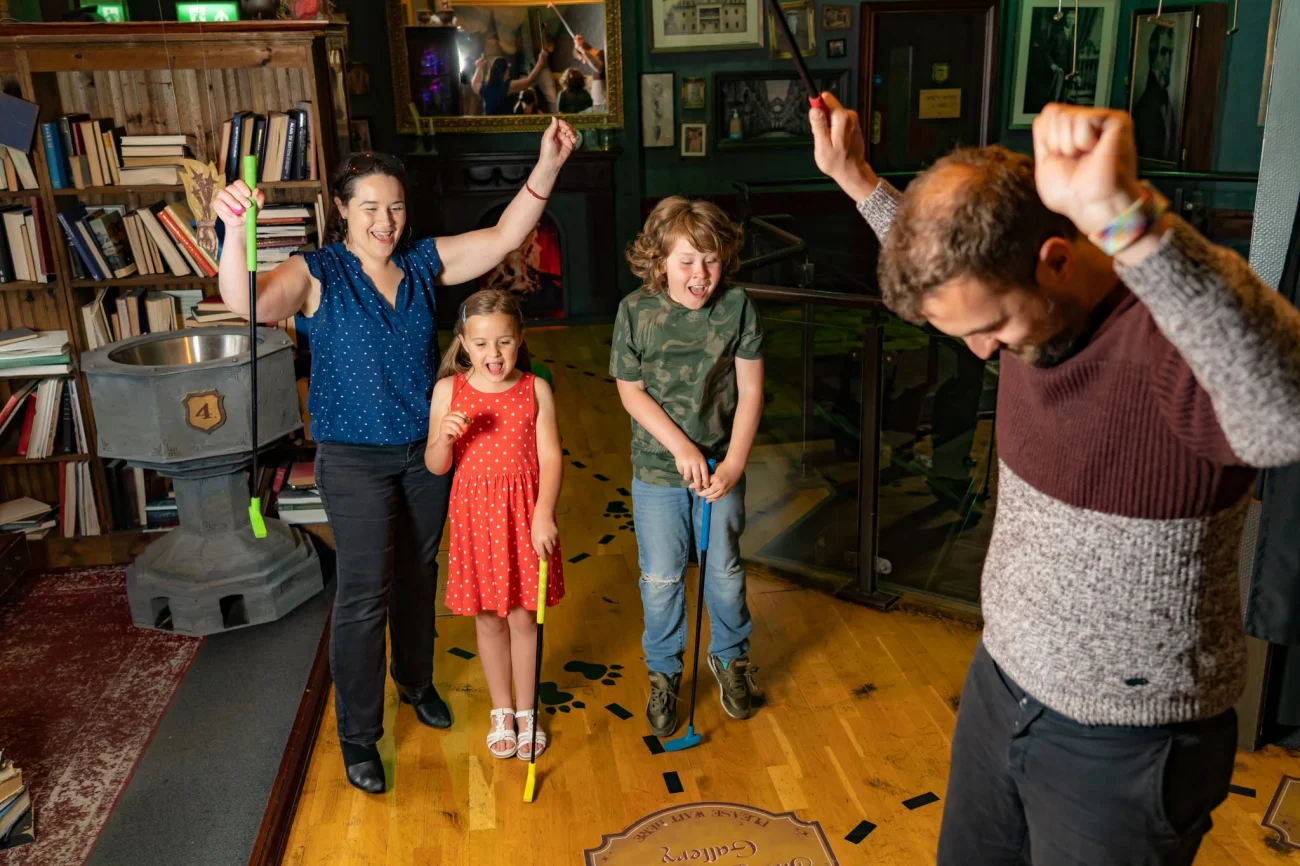
Crazy golf manages that without anyone having to try too hard. There's no facilitator asking the group to share their feelings, no forced discussion about “what we learned today.” Put a group through a round of the best crazy golf in York and something shifts, quietly, hole by hole, that a seminar room never quite manages. It looks like nothing more than a fun afternoon out, and that's exactly why it works better than most activities built specifically to force connection. Here's why it works so well for teams.
Most workplace activities carry the office hierarchy in with them. The manager still leads the discussion, the newest hire still hangs back, and the format doesn't do much to change that. Crazy golf resets things almost by accident. Nobody's naturally brilliant at putting through a bubbling cauldron or around a bend shaped like a dragon's tail, so the usual pecking order stops applying the moment everyone picks up a putter.
That reset matters more than it sounds. When a junior team member sinks a tricky shot the department head just fluffed, the whole dynamic in the group shifts for the rest of the afternoon. People start talking to each other as teammates rather than job titles, and that shift tends to carry back into the office once the round is over. It's a small thing, one good shot from someone who doesn't usually get much airtime in meetings, but it does more for how a team sees each other than most formal recognition schemes manage in a year.
Structured icebreakers ask people to perform connection on demand, which is exactly why they usually fall flat. Crazy golf sidesteps that problem entirely why indoor crazy golf is growing in popularity. Conversation happens naturally while people wait their turn, cheer on a good shot or groan at a bad one, without anyone having to force a getting-to-know-you question into the mix.
A few things make this kind of natural conversation easier to come by:
Short waits between turns that leave room for small talk
A shared, slightly silly challenge everyone's equally new to
Enough humour built into the course that nobody takes it too seriously
No pressure to perform, since it's just a game
By the third or fourth hole, colleagues who've barely spoken in the office are trading running commentary like they've known each other for years. Nobody planned that conversation or scheduled it into an agenda. It just happened because the setting gave it somewhere to go.
A bit of friendly rivalry crazy golf penalty ideas for friendly competitions does more for a team than most people expect. Splitting a department into small mixed teams, rather than letting existing cliques stick together, forces new pairings and gives people a shared goal to rally around for an hour. Add a theme with a bit of story to it, a hidden gargoyle to track down or a light spell to cast through a dark hole, and the competition starts to feel like a shared adventure rather than a scoreboard.
This matters because most workplace competition, whether it's sales targets, performance reviews or quarterly numbers, pits people against each other in ways that don't build much goodwill. A round of themed golf flips that. The stakes are low enough that losing doesn't sting, but the format still taps into that same competitive instinct, just aimed somewhere harmless for once.
The trick is in how the teams get split up. A few approaches tend to work well for corporate groups:
Mix departments that don't normally cross paths day to day
Pair newer starters with longer-serving staff
Keep teams small, three or four people, so everyone gets a turn
Assign a lighthearted role to each player, like team captain or scorekeeper
None of this needs a facilitator standing over the group with instructions. The course does most of the work on its own.
One reason crazy golf keeps showing up on corporate calendars is how easily it scales. A small team of six can book a single round, while a whole department can split across multiple lanes or staggered time slots without much extra organizing. It also tends to cost far less than a full-day away day, which makes it an easy sell to whoever's signing off the budget.
That flexibility means it works just as well for a quick Friday afternoon activity as it does for a bigger quarterly event. Add a themed tavern or bar on site, and the round can slide straight into food and drinks afterward without anyone needing to relocate the group across town. Booking is usually simple too, since most venues are used to handling corporate groups and can talk you through options for larger numbers, dietary requirements or a private area for the after-party.
Most team building exercises get forgotten within a week. A themed round of golf tends to stick around longer, mostly because it gives people an actual story to tell rather than a vague memory of a workshop. “Remember when Dave found the secret portal” travels a lot further round the office than “remember the trust exercise.”
That shared memory does quiet work over time. Teams that have a running joke or an inside reference from outside the office tend to communicate more easily back at their desks, since there's already a bit of goodwill built up between them. A photo from the picture frame hole pinned to a team chat, or a leaderboard screenshot circulated the next morning, keeps the afternoon alive well past the day itself. A single afternoon rarely fixes a genuinely broken team, but it reliably nudges a decent one toward something better.
Team bonding doesn't need to mean forced icebreakers or a day nobody enjoys. Crazy golf gets people talking, mixes up the usual hierarchy, and hands teams a shared story worth repeating, all without anyone having to sit through a single flipchart exercise. It scales to almost any group size and budget, which makes it an easy option whether you're planning something for six people or sixty.
None of this requires much from whoever's organizing it either. There's no script to write, no exercises to research and no awkward feedback round at the end. Book a slot, split the group into teams, and let the course handle the rest.
Next time someone in the office mentions a team day, suggest trading the trust falls for a set of putters and see how much further the conversation travels.
by Stuart Jarman
